

Endometriosis and Infertility: How IVF Can Help You Get Pregnant
- Admin

- Feb 22
- 8 min read
For many women, the journey to motherhood is complicated by a silent, often painful, and widely misunderstood condition: endometriosis. If you have spent years battling excruciating menstrual cramps, chronic pelvic pain, and heavy periods, only to face the heartbreaking hurdle of infertility when you are finally ready to start a family, you are not alone. It is estimated that up to 50% of women who struggle to conceive are living with endometriosis.
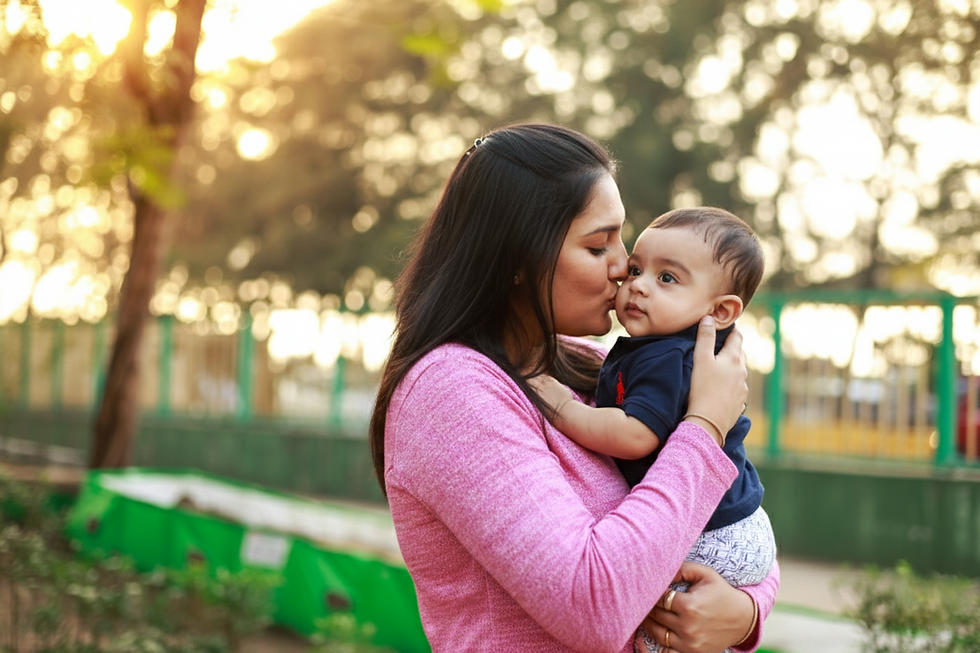
Receiving an endometriosis diagnosis while trying to get pregnant can feel like a devastating double blow. You may be wondering if the damage to your reproductive system is permanent, or if your dream of having a biological child is slipping away. The frustration is valid, the pain is real, but the situation is far from hopeless. Modern reproductive medicine has made monumental strides in understanding and bypassing the unique challenges presented by this disease.
At Kindle Womb IVF and Fertility Centre, we specialize in transforming complex reproductive challenges into beautiful success stories. In this comprehensive guide, we will explore the intricate link between this condition and your reproductive health, evaluate various endometriosis fertility treatment options, and explain why pursuing IVF with severe endometriosis is often the most effective, successful path to parenthood.
Understanding Endometriosis: What Is Happening Inside Your Body?
To understand how endometriosis impacts fertility, we must first understand the biology of the disease itself.
Every month, the inner lining of your uterus (the endometrium) thickens with blood vessels and tissues in preparation to host a fertilized egg. If pregnancy does not occur, this lining breaks down and exits the body during your menstrual period.
Endometriosis occurs when tissue that is similar to the lining of the uterus begins to grow outside of the uterine cavity. These rogue endometrial-like tissues, called implants or lesions, can attach themselves to the ovaries, fallopian tubes, the outer surface of the uterus, the bowel, the bladder, and the lining of the pelvic cavity (the peritoneum).
The critical issue is that these displaced lesions act exactly like the tissue inside the uterus: they thicken, break down, and bleed with every menstrual cycle. However, unlike menstrual blood, which has a natural exit route from the body, the blood from these internal lesions is trapped. This trapped blood causes intense localized inflammation, swelling, and severe pain. Over time, this chronic inflammation leads to the formation of restrictive scar tissue (adhesions) that can literally glue pelvic organs together, distorting the entire reproductive anatomy.
Endometriosis is generally categorized into four stages, depending on the location, extent, and depth of the implants, as well as the presence of scar tissue and ovarian cysts:
Stage I (Minimal): A few superficial implants and mild adhesions.
Stage II (Mild): More superficial and deep implants, with slightly more noticeable scarring.
Stage III (Moderate): Deep implants, significant adhesions, and the presence of endometriomas (endometrial cysts) on at least one ovary.
Stage IV (Severe): Widespread, deep implants, dense and thick adhesions binding organs together, and large cysts on both ovaries.
The Complex Link Between Endometriosis and Infertility
How exactly does this condition stop you from getting pregnant? The relationship between endometriosis and infertility is multifaceted. The disease creates a "perfect storm" of anatomical, hormonal, and immunological barriers that disrupt almost every step of the natural conception process.
1. Anatomical Distortions and Blocked Fallopian Tubes
The most mechanical way endometriosis causes infertility is through the creation of dense scar tissue and adhesions. For a natural pregnancy to occur, an ovary must release an egg, the delicate fringes of the fallopian tube (fimbriae) must sweep the egg inside, and the sperm must travel up the tube to meet it. Endometriosis can severely damage, twist, or completely block the fallopian tubes. If the pelvic organs are bound together by scar tissue, the tube physically cannot reach the ovary to catch the released egg.
2. Ovarian Endometriomas (Chocolate Cysts)
In Stages III and IV, endometriosis often forms cysts within the ovaries, known as endometriomas or "chocolate cysts" (named for the dark, old blood they contain). These cysts are incredibly destructive. They take up valuable space in the ovary, destroying surrounding healthy ovarian tissue and significantly reducing your ovarian reserve (the quantity of your remaining eggs). They can also prevent the ovary from properly maturing and releasing an egg during ovulation.
3. A Hostile, Inflammatory Pelvic Environment
Even in Stage I or II endometriosis, where the anatomy is perfectly normal and the tubes are open, women still experience high rates of infertility. Why? Because the continuous internal bleeding of the lesions creates a highly toxic, inflammatory environment in the pelvic cavity. This inflammatory fluid contains elevated levels of macrophages (immune cells) and cytokines. Instead of protecting the body, this overactive immune response can actually attack and destroy sperm before it reaches the egg, or it can damage the delicate egg itself, preventing fertilization.
4. Poor Egg Quality and Implantation Failure
The chronic inflammation associated with endometriosis can negatively impact the cellular energy and genetic health of the developing eggs, leading to lower fertilization rates. Furthermore, women with endometriosis often experience "progesterone resistance" in the lining of their uterus. Even if a healthy embryo forms, the uterine lining may not be biochemically receptive to allowing that embryo to implant and grow.
Navigating Endometriosis Fertility Treatment: Why IVF is the Gold Standard
When patients seek an endometriosis fertility treatment, the first question is usually whether to pursue surgical intervention or to move straight to assisted reproductive technology (ART).
The Role of Surgery (Laparoscopy)
Laparoscopic excision surgery to carefully cut out endometriosis lesions and remove scar tissue can provide immense pain relief and sometimes restore natural fertility, particularly in mild to moderate cases. However, surgery is not a cure, and lesions often grow back. Furthermore, when dealing with ovarian endometriomas, surgery carries a massive risk. Removing cysts from the ovaries often inadvertently strips away healthy, egg-containing tissue, leading to a permanent and severe drop in Anti-Müllerian Hormone (AMH) and ovarian reserve. For women whose primary goal is pregnancy rather than just pain management, aggressive repeated surgeries can actually do more harm to their fertility than good.
For patients with compromised anatomy or diminished ovarian reserve, In Vitro Fertilization (IVF) is overwhelmingly the most successful path forward. IVF does not cure endometriosis, but it brilliantly bypasses almost all the reproductive roadblocks the disease creates:
Bypassing the Tubes: IVF completely ignores the fallopian tubes. By extracting the eggs directly from the ovaries and fertilizing them in the lab, it doesn't matter if your tubes are blocked, damaged, or tied down by scar tissue.
Escaping the Toxic Environment: By removing the eggs from the inflammatory pelvic cavity, IVF protects them from the hostile immune cells that would otherwise attack the sperm or the embryo. Fertilization happens safely in a sterile, highly controlled embryology laboratory.
Overcoming Egg Quality Issues: By stimulating the ovaries to produce multiple eggs, the laboratory can utilize advanced selection techniques, identifying the healthiest, most resilient embryos to transfer back into the uterus.
Strategic Protocols for IVF with Severe Endometriosis
Tackling IVF with severe endometriosis (Stage III or IV) requires a highly specialized approach. Standard IVF protocols that work for a patient with unexplained infertility can sometimes cause endometriosis to flare up, as the high doses of estrogen produced during ovarian stimulation feed the endometriosis lesions.
At Kindle Womb IVF and Fertility Centre, we employ customized, evidence-based strategies tailored specifically for patients with this complex disease:
1. Ultra-Long Down-Regulation Protocols
To quiet the inflammation and shrink endometriosis lesions before starting an IVF cycle, our specialists often recommend an ultra-long protocol. This involves using medications like a Lupron Depot injection for two to three months prior to starting IVF stimulation drugs. This temporarily places the body into a state of medical menopause, starving the endometriosis of estrogen. By dramatically lowering the inflammation in the pelvis and the uterus, we create a much calmer, more receptive environment for the developing follicles and the eventual embryo transfer.
2. The Freeze-All Strategy (Frozen Embryo Transfer)
During the egg stimulation phase of IVF, your estrogen levels skyrocket, which can aggravate endometriosis and make the uterine lining unreceptive to an embryo. Therefore, a "fresh transfer" (putting the embryo back in just days after retrieval) is often unsuccessful for endometriosis patients.
Instead, we strongly advocate for a "Freeze-All" strategy. We retrieve the eggs, fertilize them, grow them to the robust blastocyst stage (Day 5), and then vitrify (freeze) them. We then allow your body to recover from the stimulation medications, let your hormone levels return to a baseline, and prepare your uterine lining using a controlled, calm, and targeted medicated cycle before thawing and transferring the embryo. This highly controlled environment drastically improves implantation rates.
3. Advanced Embryology and ICSI
Because endometriosis can affect the outer shell (zona pellucida) of the egg, making it harder for sperm to penetrate naturally, we often utilize Intracytoplasmic Sperm Injection (ICSI). Our expert embryologists select a single, morphologically perfect sperm and inject it directly into the center of the egg, guaranteeing fertilization and overcoming any fertilization barriers caused by the disease.
While advanced medical protocols do the heavy lifting, preparing your body holistically can improve your egg quality and reduce systemic inflammation prior to an IVF cycle. We recommend our patients incorporate the following:
An Anti-Inflammatory Diet: Nutrition plays a profound role in managing endometriosis. Focus on a Mediterranean-style diet rich in Omega-3 fatty acids (fatty fish, chia seeds, walnuts), fresh vegetables, and dark berries. Strictly limit red meat, dairy, refined sugars, gluten, and highly processed foods, which are known to trigger inflammatory pathways.
Targeted Supplementation: Supplements such as N-Acetyl Cysteine (NAC), Curcumin (from turmeric), Resveratrol, and high-quality Fish Oil have strong clinical backing for reducing endometriosis-related inflammation and pelvic pain. Additionally, CoQ10 is vital for supporting the cellular energy and quality of your developing eggs. Always consult your doctor before starting new supplements.
Acupuncture and Stress Management: The chronic pain and the stress of infertility elevate cortisol levels, which can disrupt reproductive hormones. Acupuncture has been shown to improve blood flow to the uterus, manage chronic pelvic pain, and drastically reduce the anxiety associated with IVF treatments.
Why Choose the Best IVF Clinic for Endometriosis Jaipur?
Endometriosis is an unpredictable, anatomically destructive disease. When undergoing IVF with this condition, you cannot afford a generic approach. Your ovaries may be displaced, adhered to your uterus or bowel, or obscured by large endometriomas. Performing an egg retrieval under these conditions requires the hands of an exceptionally skilled reproductive endocrinologist who is highly experienced in navigating distorted pelvic anatomy safely.
If you are searching for the best IVF clinic for endometriosis Jaipur has to offer, Kindle Womb IVF and Fertility Centre stands apart as a center of excellence. We do not just treat the symptom of infertility; we understand the entire pathology of the disease you are fighting.
Our clinic is equipped with a state-of-the-art embryology laboratory, crucial for culturing embryos that may have been compromised by an inflammatory environment. Our expert medical team takes the time to thoroughly map your pelvic anatomy via advanced ultrasound before your cycle even begins. We tailor every single medication dose, choose the exact right protocol to suppress your disease, and meticulously prepare your uterus to ensure it is perfectly welcoming for your embryo. We provide the compassionate, specialized, and transparent care you deserve after years of having your pain dismissed.
Final Thoughts: Hope on the Horizon
An endometriosis diagnosis does not mean you will never be a mother. It simply means your path to parenthood requires a different map—one drawn by experts who understand the terrain. By combining the power of advanced IVF protocols with customized care and holistic preparation, the physical barriers of endometriosis can be successfully overcome.
Do not let endometriosis dictate the future of your family. Take the first step toward taking your fertility back into your own hands.
Ready to start your personalized fertility journey? Contact our specialists today to schedule a comprehensive consultation.
📍 Address: 2nd Floor, House of Doctors, Plot No.4, Lal Niwas, Hira Bagh, Tonk Road, Near SMS Hospital, Jaipur, Rajasthan, India
📞 Phone: +91 9119107725 | +91 9119112755
📧 Email: info@kindlewomb.com
🌐 Website: https://www.kindlewombivfgroup5.com


Comments